
The Journal · Ubud
Ubud, for travelers who want more than a rice terrace photo
A guide to timing, not just places
Most guides to Ubud tell you where to go. Fewer tell you when, and almost none tell you why the timing changes everything. Here’s what actually matters if you’re planning to experience Ubud properly, not just photograph it.
The rice terraces have a two-hour window, and most people miss it
Tegallalang is the terrace everyone shows you in photos, and it’s genuinely worth seeing, but almost every visitor sees it at the wrong hour. The best time to visit is between 6:00 and 8:30 in the morning, when the air is cool, the crowds haven’t arrived, and the side-light rakes across the terraces in the way that makes the famous photos work. By 10:30am, tour buses fill the ridge and the valley turns hot, humid, and busy.
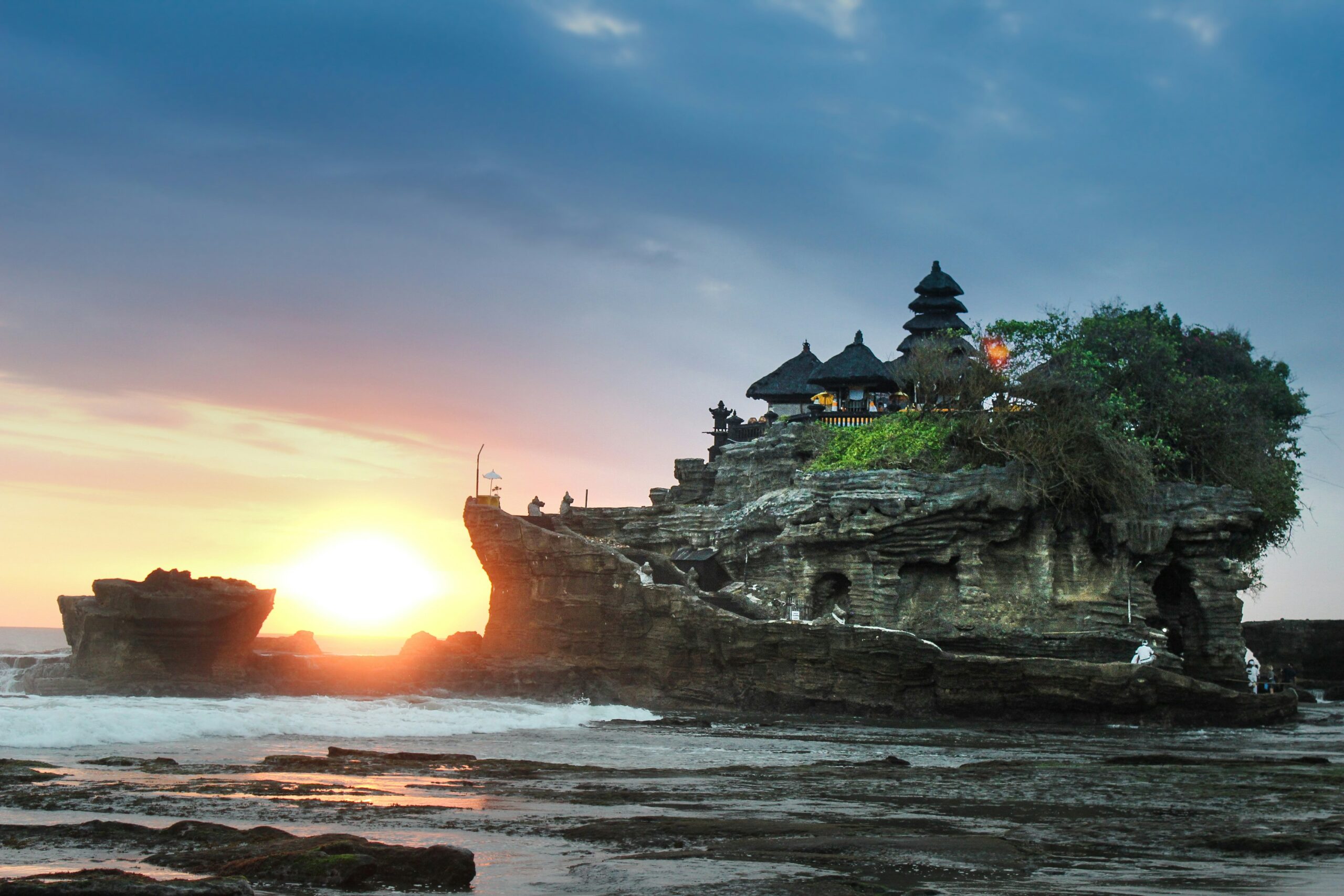
There’s a reason the morning light matters beyond comfort. Sunrise itself is often hazy in central Bali, so the better light actually comes about 45 minutes after sunrise, roughly between 6:30 and 8:30am. That’s the window worth building your morning around, not the sunrise itself.
One more timing detail most visitors never learn: the terraces look different depending on the season, with the most consistent all-green stretch falling roughly between March and early July, between plantings. If you have flexibility on when you travel and rice terraces matter to you, that’s worth knowing before you book.
Pair it with the walk almost no tour group takes
Right beside Tegallalang is the Campuhan Ridge Walk, and it’s the part of Ubud that rewards people who came for something quieter than a photo stop. It begins a short walk from central Ubud, climbing through coconut palms before opening onto a ridgeline with rice paddies and jungle on both sides, an easy out-and-back route of around 30 to 45 minutes.
Walk it between 6 and 8am and the path is largely empty, the light golden, the temperature still comfortable. By 10am, the heat turns punishing and the crowds have caught up. Same lesson as the terraces, arrive early, and you get a version of Ubud most visitors never see.
Arrive early, and you get a version of Ubud most visitors never see.
The water temple ritual is real, not a performance for tourists
Tirta Empul is Ubud’s most significant spiritual site, and it’s worth understanding what you’re actually stepping into before you go. Tucked in Bali’s central highlands, it’s one of the island’s most significant spiritual landmarks, established around 962 AD, and it remains an active place of worship, not a preserved relic. The name itself translates roughly to “holy spring water,” referring to the natural spring that continuously feeds the temple’s purification pools.
The ritual you’ll see, or take part in, is called melukat. Both men and women are required to wear a sarong and sash, even if you’re only exploring the grounds rather than entering the pools, and if you plan to join the purification ritual itself, you’ll need a dedicated bathing sarong, along with a change of clothes and a towel.
What most visitors skip
A local guide, for a modest fee, will explain the significance of each individual fountain, help you avoid the ones reserved for funeral rites, and teach you the proper prayers, a difference that transforms the visit compared to walking through alone.
There’s also a quieter alternative worth knowing about if Tirta Empul feels too crowded on the day you go: Sebatu Village and Gunung Kawi Sebatu offer their own holy spring pools nearby, with a more intimate version of the same ritual.
One etiquette note worth remembering, since it trips up a lot of well-meaning visitors: small woven offering baskets, canang sari, are placed everywhere throughout the temple grounds, and watching your step around them, especially on wet ground near the pools, matters.
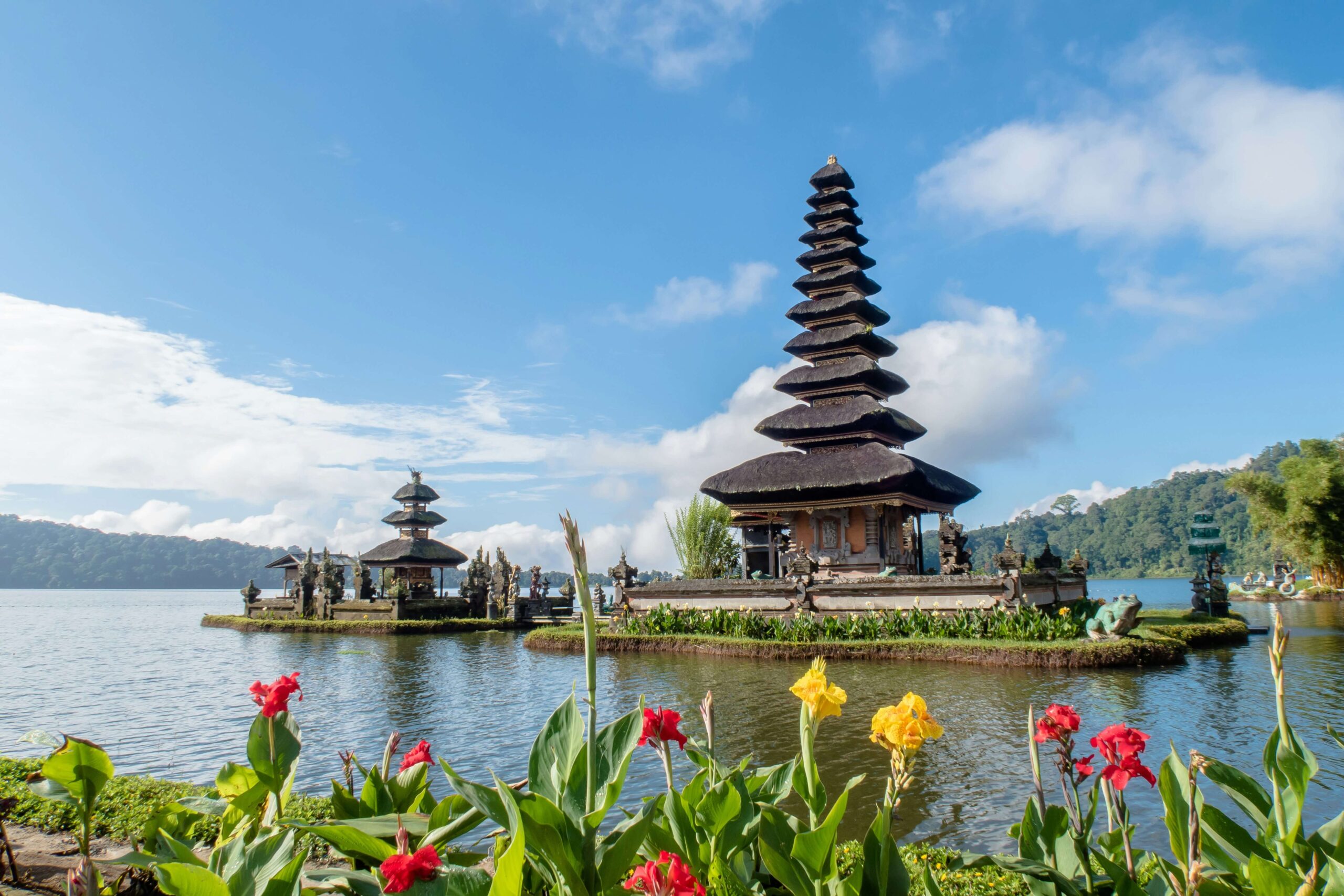
Where the valley actually gets quiet
Ubud’s real luxury isn’t in town, it’s along the river. The Ayung River valley is where Ubud’s luxury resort development first took hold, with river gorge views extending across jungle canopy in a way flat coastal land can’t offer, and it’s what launched the area’s reputation for valley-view accommodation in the first place. The neighborhood of Kedewatan, a few kilometers north of Ubud’s center, is where that reputation was built, home to properties that set the benchmark for the whole region.
If you want names to recognize, the ones that keep coming up for good reason are Four Seasons Resort Bali at Sayan, positioned above the Ayung River Valley with a design that makes the jungle feel built into the architecture itself, and Mandapa, a Ritz-Carlton Reserve, along with COMO Shambhala Estate, all sitting in the same river-valley pocket that made Ubud a luxury destination to begin with.
The one thing worth remembering
Ubud rewards patience and timing more than any other part of Bali. The terraces, the ridge walk, the temple, all of them are genuinely better before 9am, and all of them lose something real once the day gets going and the crowds catch up. If there’s one piece of advice to take from this, it’s simple: build your Ubud mornings around 6am, not around checkout time.